Service · 01
Classical Osteopathy
Viewing the body as a whole – understanding symptoms in context.
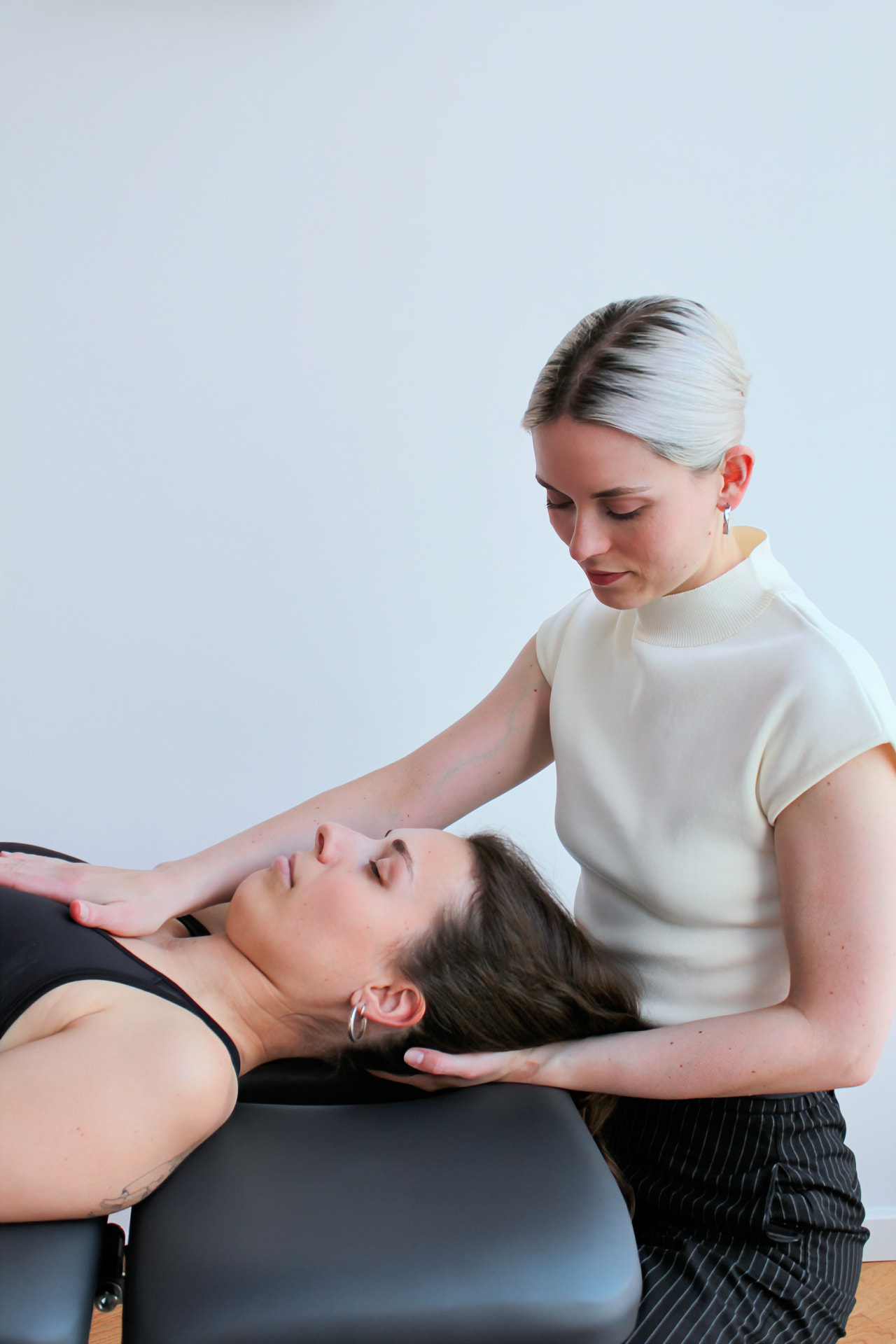
Viewing the body as a whole.
Osteopathy is a manual treatment method that has been in use for over 130 years and can usefully complement conventional medicine. It views the body as a functional unit in which muscles, joints, fascia, organs and the nervous system work closely together. Ailments are therefore not only considered where they occur, but always in relation to the body as a whole.
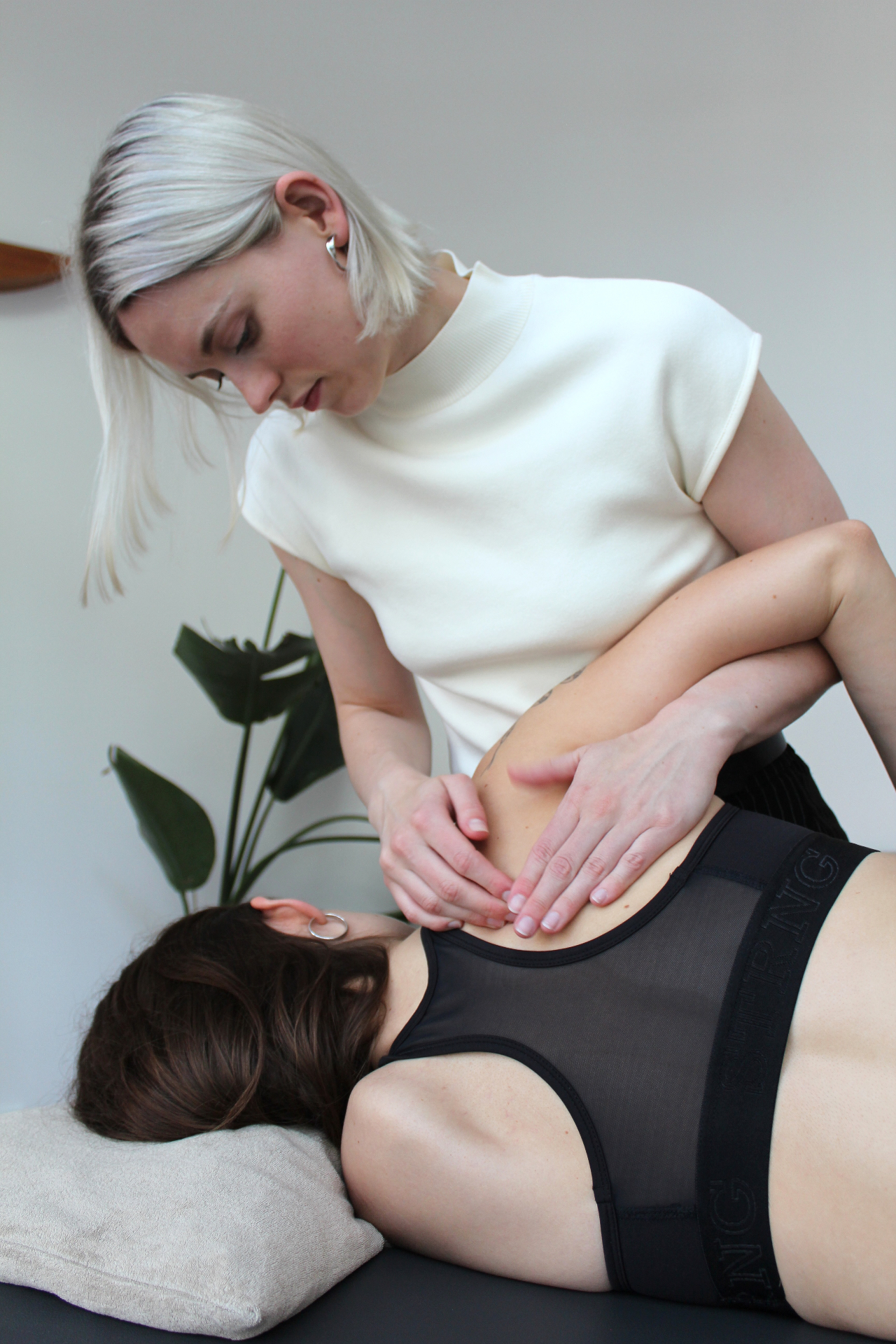
The hands are used to examine the mobility, tissue tension and function of various structures. Restrictions in movement or changes in tissue can arise, for example, following injuries, operations, inflammation or prolonged strain, and can contribute to symptoms. The aim of osteopathic treatment is to address such functional restrictions using targeted manual techniques and to support the natural function of the affected structures.
Three pillars
The three pillars of classical osteopathy.
Parietal Osteopathy
Focuses on the musculoskeletal system – comprising bones, joints, muscles and ligaments – and improves mobility and tension regulation.
Visceral Osteopathy
Treats the internal organs and their suspensory structures to promote their natural movement and blood circulation.
Craniosacral Osteopathy
Focuses on the delicate interplay between the skull, sacrum and nervous system. The aim is to support the normal functioning of these structures.
Depending on the symptoms, the focus may be on different tissues and body systems. Osteopathic treatments are frequently used for musculoskeletal complaints, but also for functional issues such as digestive problems, headaches or discomfort during pregnancy.
In my practice, I take the time to gain a thorough understanding of your symptoms and your individual situation. Together, we’ll develop a treatment plan tailored to your needs – with the aim of alleviating symptoms, improving bodily function and supporting you in the long term.